
What Is New Build Cleaning?
New build cleaning is a detailed cleaning service carried out after construction, renovation or refurbishment work. It removes dust, paint marks, adhesive, plaster, packaging and other residue left behind by builders and tradespeople. The aim is to make the property safe, clean and ready for use, viewing or handover. Unlike normal domestic cleaning, it often requires specialist equipment, careful surface checks and several stages of work.
Cleaners may work through kitchens, bathrooms, bedrooms, offices, shared areas and external entrances. They also clean windows, frames, floors, fittings and hidden areas where fine dust can settle.
The work may be completed in an empty property or alongside final building tasks, depending on the schedule. A well-planned new build clean helps reveal defects, protects new finishes and creates a professional first impression. It is an important final step before occupants, buyers, tenants, clients or staff enter the completed building safely.
Why New Build Cleaning Is Important
New build cleaning is important because construction work leaves behind fine dust, loose debris and marks that can affect safety, appearance and comfort. Dust can settle on floors, inside cupboards, along window frames and around newly installed fittings. If it is not removed properly, it may spread through the property once heating, ventilation or normal movement begins.
A thorough clean also makes it easier to inspect the finished work. Scratches, damaged surfaces, loose fittings and incomplete sealant can be difficult to notice when areas are covered in dust. Cleaning helps builders, owners and property managers complete final checks before handover.
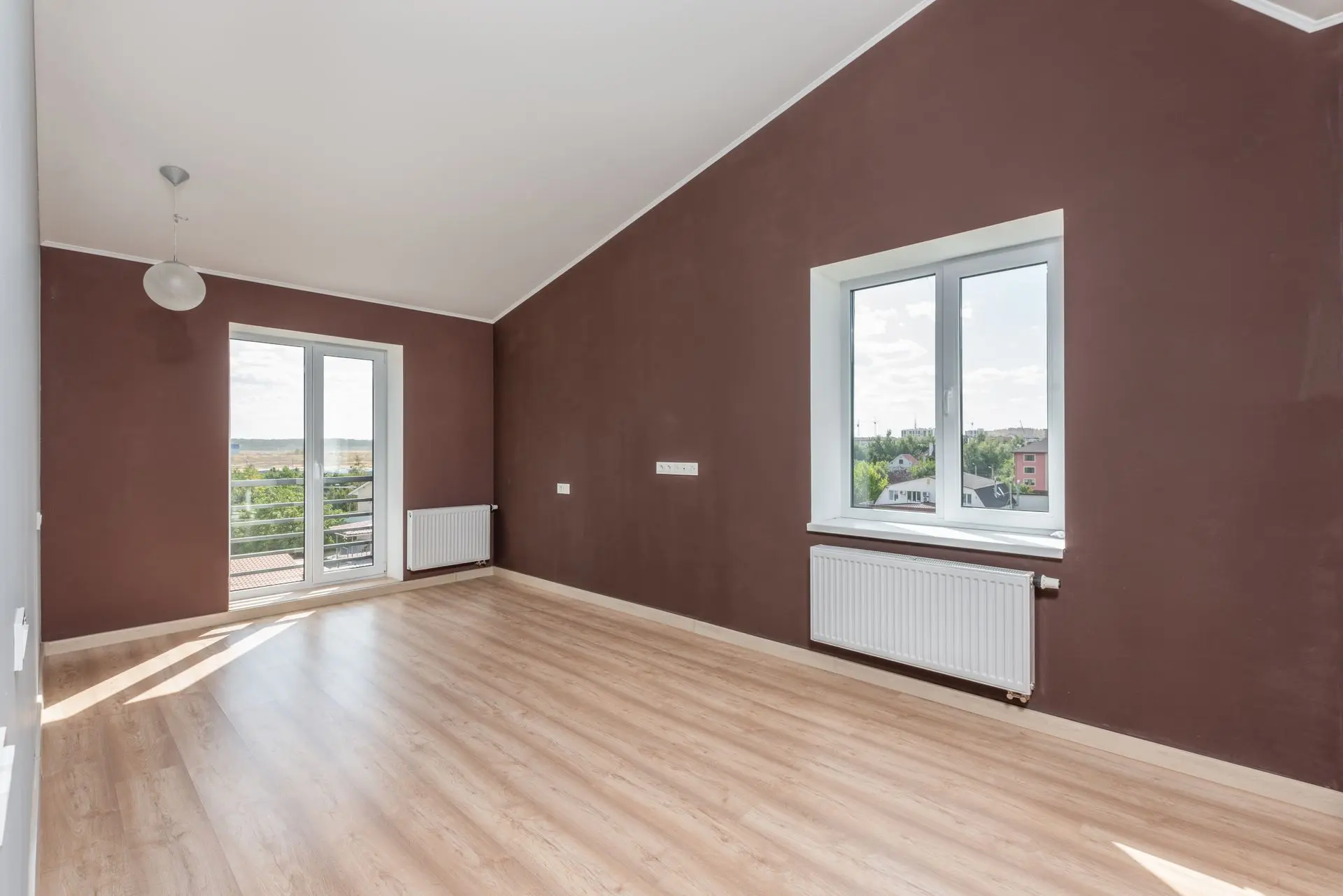
New materials can be damaged by unsuitable products or rough cleaning methods. Professional cleaners understand how to work around fresh paint, new flooring, glass, tiles and fitted furniture without causing avoidable marks. The final appearance matters as well.
Buyers, tenants, clients and staff expect a newly completed building to feel fresh and ready for use. Dirty windows, dusty surfaces and building residue can create a poor first impression, even when the construction work is excellent.
By removing hazards, improving presentation and supporting final inspections, new build cleaning helps the property move smoothly from construction to occupation without unnecessary delays or complaints.
When Should New Build Cleaning Take Place?
New build cleaning should normally take place after the main construction work has finished and before the property is handed over or occupied. Most drilling, sanding, painting and installation work should be complete so fresh dust is not created after cleaners leave.
Larger projects may need several cleaning visits. An early clean can remove heavy debris and prepare areas for inspection. A detailed final clean can then be completed once all trades have finished. A lighter touch-up clean may also be needed shortly before handover.
The cleaning schedule should allow enough time for surfaces to dry and for any missed areas to be corrected. Cleaners need safe access, working water, electricity and suitable lighting. If cleaning begins too early, later building work may undo the results. If it starts too late, handover may be delayed. Good planning between builders, managers and cleaners helps ensure the property is ready at the required time.
What Does a New Build Clean Include?
A new build clean can include every accessible area of a recently completed property. The exact work depends on the building, its condition and the agreed service. Cleaning normally begins with the removal of loose rubbish, packaging, labels and light building debris. Fine dust is then removed from walls, ceilings, ledges, skirting boards, doors and other surfaces.
Kitchens are cleaned inside and outside cupboards, drawers and worktops. Sinks, taps, splashbacks and fitted appliances may also be wiped and polished. Bathrooms usually receive detailed cleaning around toilets, baths, showers, screens, tiles, mirrors and sanitary fittings.
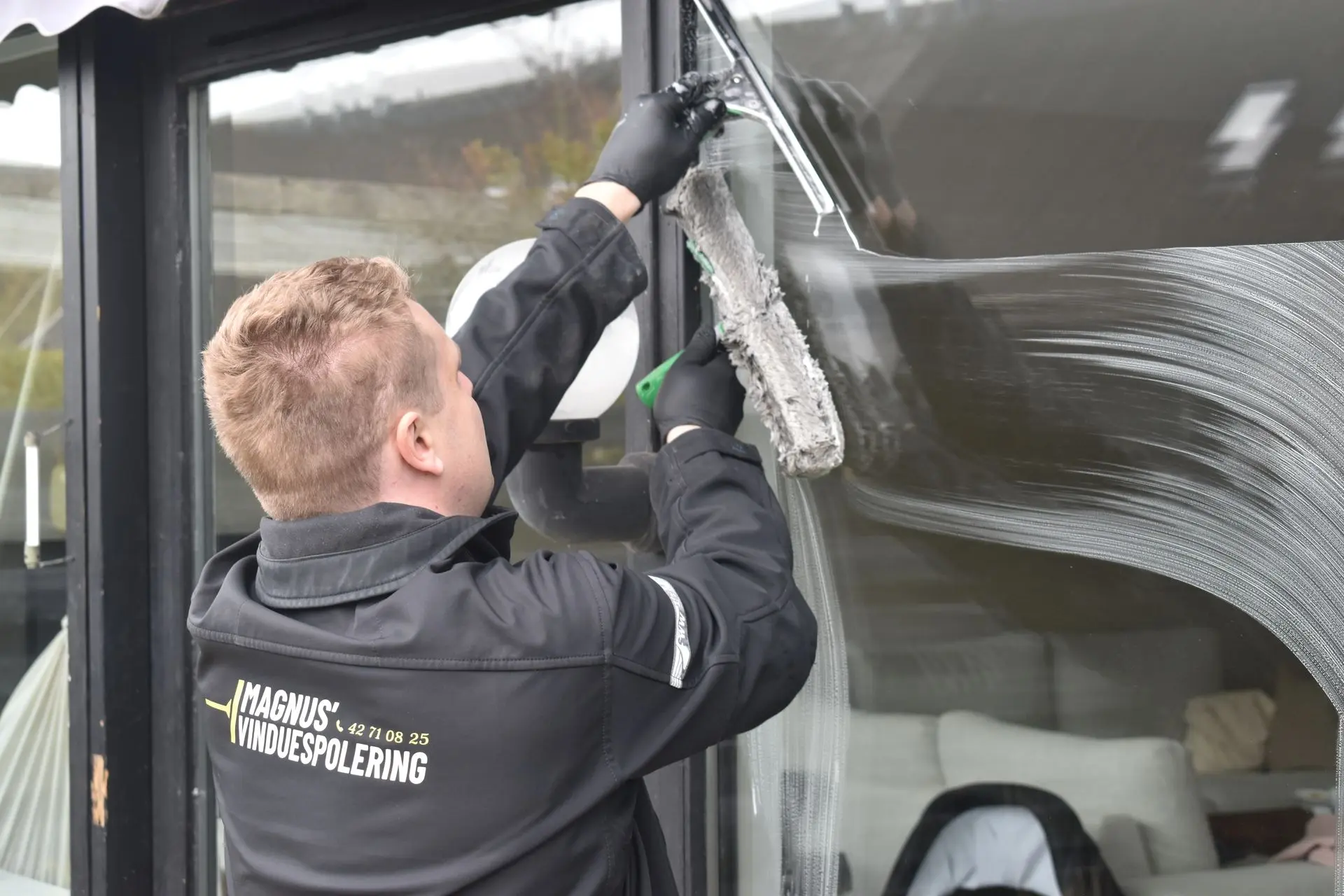
Window glass, frames, sills and tracks are cleaned to remove dust, stickers and light residue. Floors may be vacuumed, swept, washed or treated according to the material.
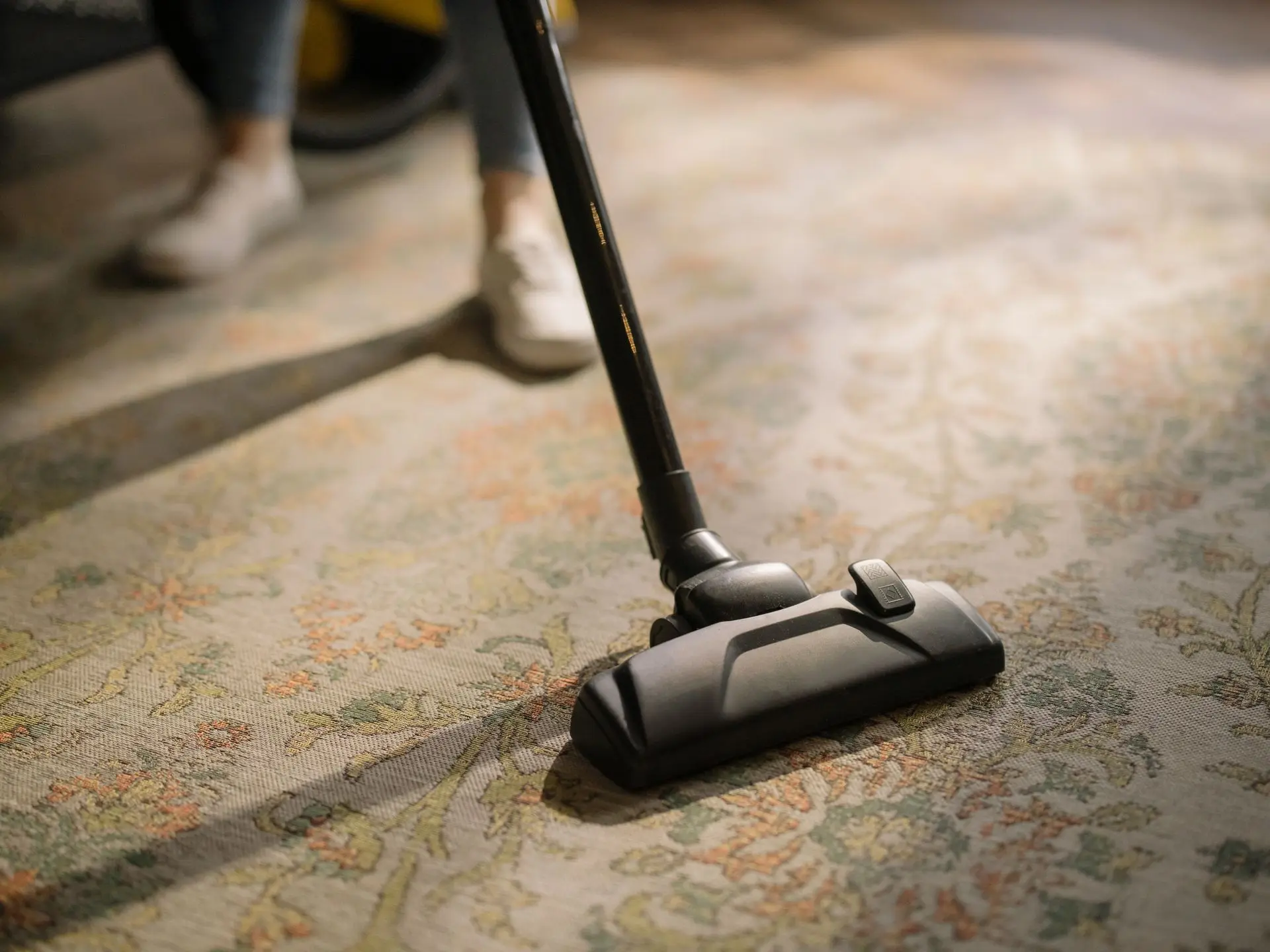
Carpets often require thorough vacuuming or professional extraction cleaning. Fixtures, switches, sockets, radiators, ventilation covers and fitted storage are also checked. Paint spots, adhesive and sealant marks may be removed when this can be done without damaging the finish.
The final service should be agreed before work begins. Clear specifications prevent confusion about external windows, high areas, waste removal, carpet treatment and any specialist cleaning that may require extra time or equipment.
The Main Stages of New Build Cleaning
New build cleaning is often completed in stages so heavy dirt is removed before detailed finishing work begins. The first stage involves clearing loose rubbish, protective coverings, labels and safe building debris. Large amounts of construction waste may need a separate removal service.
The next stage focuses on dust removal. Cleaners work from higher areas downwards, covering ceilings, ledges, walls, doors, frames and fittings. Floors are vacuumed several times because fine dust can settle again.
Detailed cleaning follows in kitchens, bathrooms, windows and fitted storage. Marks are treated carefully using products suited to each material. Floors and carpets are completed near the end to prevent them from becoming dirty again.
A final inspection then checks corners, cupboards, glass, switches and other easily missed areas. Any remaining marks are corrected before handover. Following a clear order helps prevent repeated work and supports a consistent finish throughout the property.
Removing Dust, Debris and Building Residue
Construction dust can spread throughout a property and settle in places that are easy to overlook. It may collect on top of doors, inside cupboards, behind radiators, around sockets and within window tracks. Removing it properly often requires several passes rather than one quick wipe.
Cleaners usually begin by collecting loose debris and separating materials that need suitable disposal. Heavy rubble, sharp waste and hazardous materials should be managed under the correct site procedures rather than placed in ordinary rubbish bags.
Fine dust is best removed with suitable vacuum equipment before damp cleaning begins. Dry sweeping can send particles back into the air and spread them into cleaned rooms. High-level surfaces should be completed first so falling dust can be collected later.
Plaster, paint, adhesive, grout and sealant residue require careful treatment. Scraping too firmly or using a strong chemical may scratch glass, mark flooring or damage fresh finishes. The surface should be tested in a small area before wider cleaning.
Protective films and labels should be removed without leaving sticky marks. Cleaners must also avoid disturbing materials that are not fully dry or set. A careful process removes residue while protecting the new property. Rushed cleaning can replace construction dirt with scratches, stains and damaged fittings that need costly correction.
Cleaning Kitchens and Bathrooms
Kitchens and bathrooms need detailed cleaning because they contain many surfaces, fittings and narrow spaces. In kitchens, cleaners remove dust from worktops, splashbacks, cupboard doors, shelves and drawers. They also clean sinks, taps, handles and fitted appliance surfaces where included. Bathrooms require attention around toilets, basins, baths, showers, screens and tiles.
Grout dust, adhesive marks and sealant residue may remain after installation. These marks must be treated carefully to avoid damaging new finishes. Mirrors and polished fittings should be left free from smears. Cupboards, pipe covers, ledges and ventilation points also need checking for hidden dust. Different materials require different products.
Natural stone, stainless steel, glass and coated surfaces can react badly to unsuitable chemicals. Cleaners should follow product guidance and test unfamiliar surfaces. A final inspection should confirm that drains are clear, fittings are secure and no cleaning residue remains. Clean kitchens and bathrooms make the property feel hygienic, complete and ready for immediate use.
Window, Glass, and Frame Cleaning
Windows often need considerable attention after building work. Dust, fingerprints, adhesive, paint spots, plaster and protective film can remain on glass, frames, sills and tracks. A complete clean should cover both the visible glass and the surrounding parts, subject to safe access and the agreed service.
Loose dust should be removed before the glass is washed. Rubbing gritty particles across the surface can cause scratches. Labels and adhesive marks require suitable products and tools that will not damage coatings or seals.
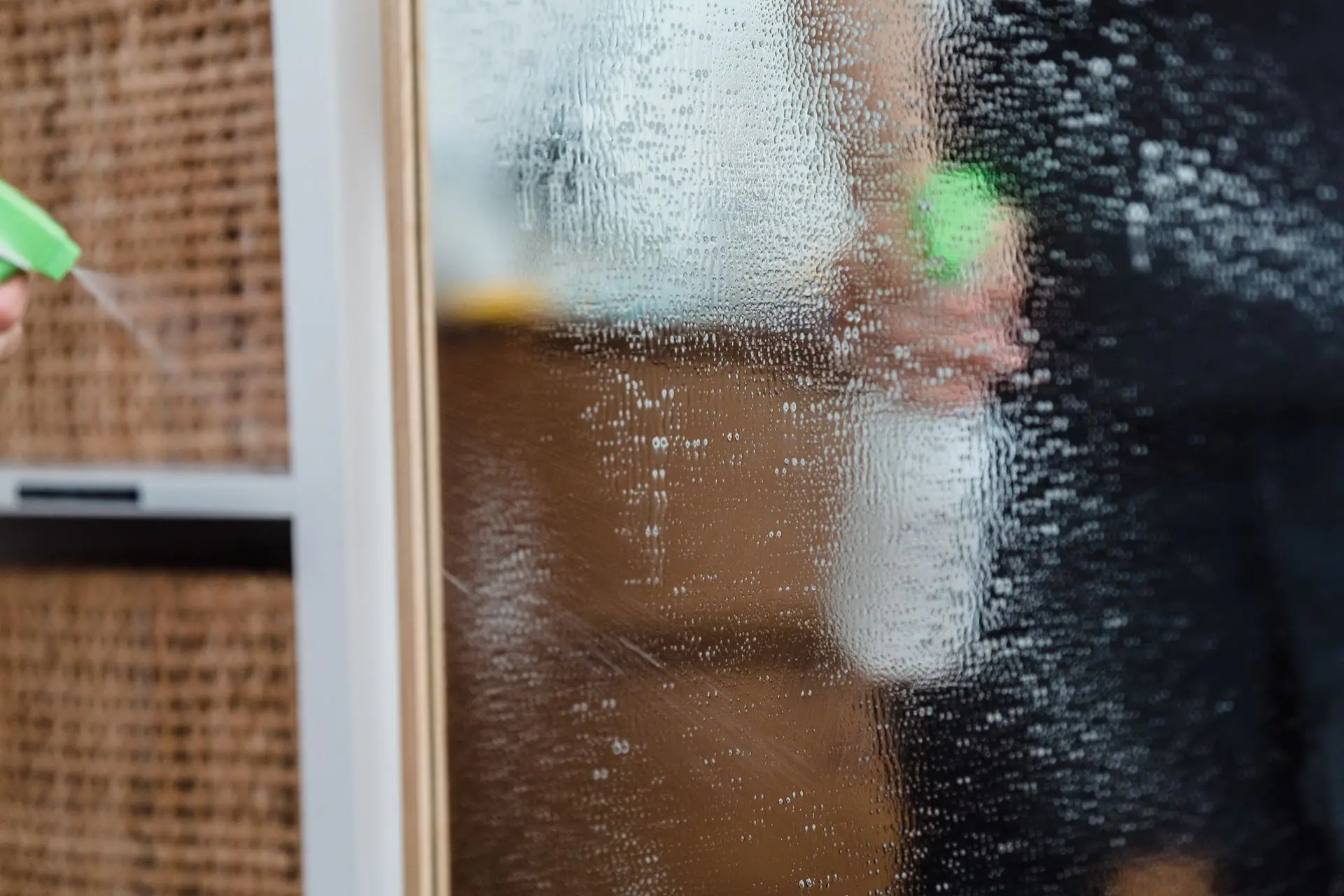
Window frames may be made from plastic, aluminium, timber or painted materials. Each type needs an appropriate cleaning method. Strong chemicals and rough pads can fade, scratch or soften new finishes. Drainage holes and tracks should remain clear so windows can operate correctly.
Internal glass, mirrors, glazed doors and partitions may also be included. Every area should be checked in good natural light because streaks and marks can be difficult to see under temporary site lighting.
External window cleaning may require access equipment or a separate team. This should be confirmed before work begins. Professional cleaners should not lean from openings or use unsafe ladders.
Clean glass improves natural light and presentation. It also makes scratches, chips and fitting problems easier to identify before the property is handed over.
Floor and Carpet Cleaning
Floor cleaning should be planned according to the material and completed after most other tasks. Hard floors may include tiles, timber, laminate, vinyl, concrete or natural stone. Each surface needs a suitable product and cleaning method. Loose dust and grit should be vacuumed before washing. Mopping without removing particles can spread dirt or scratch the finish.
Grout, adhesive and paint marks should be treated carefully rather than removed with excessive force. Carpets usually need thorough vacuuming, including edges and corners. Extraction cleaning may be required if there are stains, heavy dust or building marks, but the carpet must be suitable for wet treatment. Fresh flooring may have special care instructions.
Too much water can damage laminate or timber, while acidic products may mark natural stone and grout. Once cleaned, floors should be protected from further building traffic. Clear signs or restricted access can prevent footprints, scratches and new dust before handover. A clean, undamaged floor has a strong effect on the appearance of the completed property.
Cleaning Fixtures, Fittings and Surface
A new build contains many fixtures and fittings that collect dust during construction. These can include switches, sockets, door handles, radiators, ventilation covers, shelves, wardrobes, handrails and light fittings.
Each item should be cleaned carefully without affecting its finish or operation. Cleaners normally work from high areas downwards. Tops of doors, cupboards and frames are completed before lower ledges and skirting boards. This prevents falling dust from settling on surfaces that have already been cleaned.
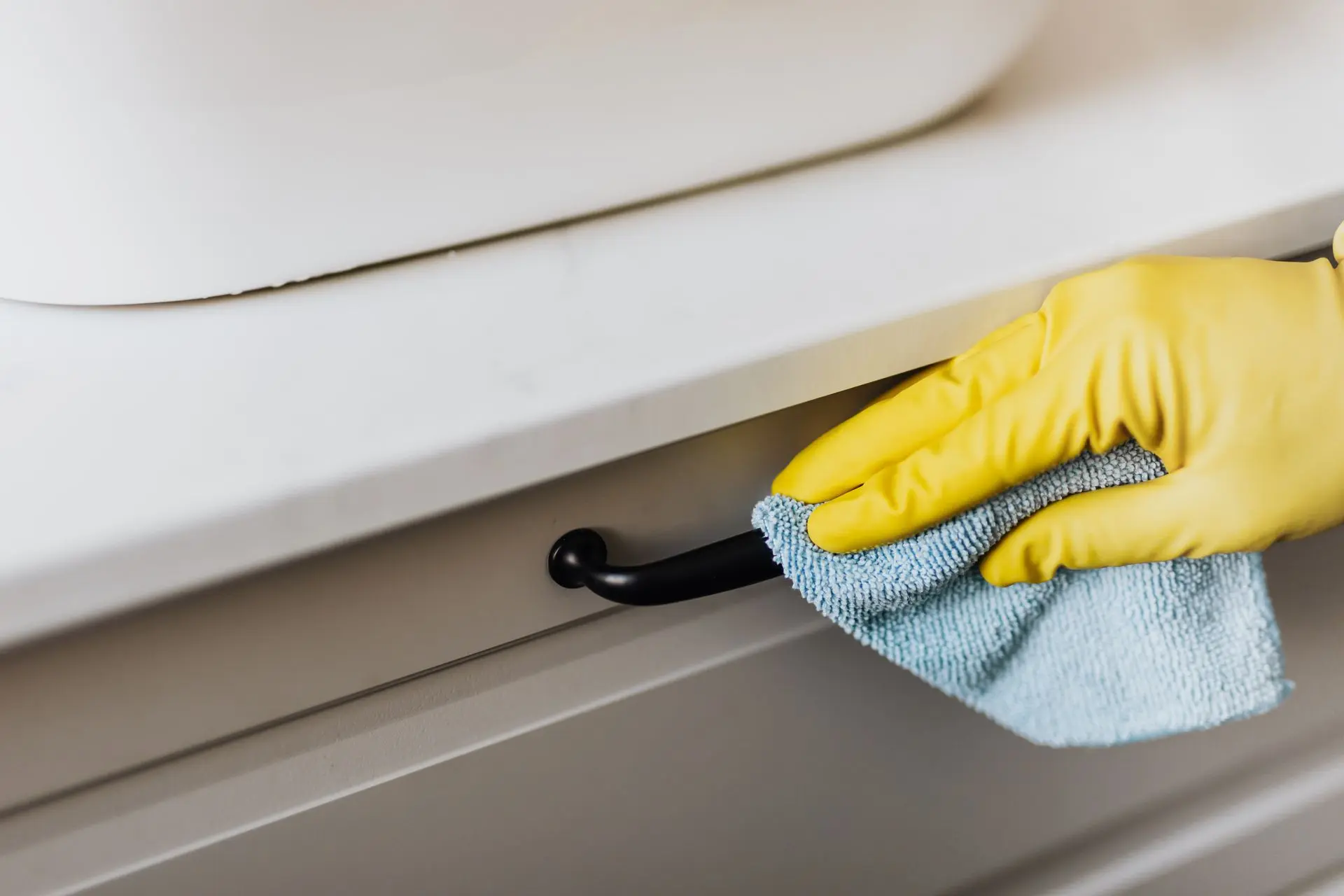
New fittings may still have protective film, labels or adhesive. These should be removed only when the installation team has confirmed that protection is no longer needed. Pulling film away too early may expose surfaces to later damage.
Metal, glass, painted timber, plastic and coated materials require different products. Abrasive pads can scratch polished fittings, while strong chemicals may affect paint or protective coatings. Electrical fittings should be wiped carefully with minimal moisture.
Cleaners must not spray liquid directly onto switches, sockets or control panels. Any loose, damaged or unfinished item should be reported rather than moved or repaired by cleaning staff. Detailed surface cleaning helps the property feel complete. It also allows defects, poor finishes and missing parts to be identified before final sign-off and occupation.
New Build Cleaning for Homes and Businesses
New build cleaning is suitable for houses, flats, offices, shops, schools, warehouses and many other completed properties. Homes may need close attention to kitchens, bathrooms, bedrooms, storage spaces and windows before buyers or tenants move in.
Commercial buildings can involve larger floor areas, shared facilities, workspaces, stairways and public entrances. They may also contain specialist flooring, fitted equipment or access restrictions that require careful planning. The service should reflect how the building will be used. A family home must feel comfortable and hygienic, while a business may need to meet a strict opening or staff move-in date.
Commercial sites may require cleaners to work around security procedures, delivery schedules or remaining contractors. The number of cleaners, equipment and cleaning stages will depend on the size and condition of the property. A detailed site review helps establish what is required. Whether the project is domestic or commercial, the aim remains the same: to provide a clean, presentable and safe property that is ready for handover and use.
New Build Cleaning Before Property Handover
Cleaning before property handover gives builders, developers and clients a clear view of the finished work. Once dust and residue are removed, scratches, incomplete paintwork, damaged fittings and other defects become easier to identify. This allows final corrections to be arranged before keys are transferred. The clean should be scheduled after major construction tasks have ended.
However, enough time must remain for a final inspection and any required touch-up work. Cleaners may need to return after repairs if new dust or marks are created.
A handover clean usually covers all rooms, storage areas, windows, sanitary fittings, kitchens and floors. Shared entrances, stairways, corridors and external access points may also be included. The agreed checklist should state which areas and surfaces are expected to be ready.
Good presentation can affect how buyers, tenants or clients view the entire project. A property covered in dust may seem unfinished, even when the building work is complete.
After cleaning, the responsible person should walk through the building and check it against the specification. Any missed areas should be recorded clearly and corrected before the handover appointment. A well-managed final clean reduces complaints, supports a smoother sign-off process and helps create confidence in the quality of the completed building from the moment it is first entered.
How Long Does New Build Cleaning Take?
The time needed for new build cleaning depends on the property’s size, condition and level of building residue. A small home with light dust may be completed within a day, while a large development or commercial building may need several cleaners over multiple days. Heavy plaster, paint, adhesive and waste will increase the required time. Properties with many windows, fitted cupboards, detailed bathrooms or several floor types may also take longer.
The stage of construction matters. Cleaning is slower when tradespeople are still working, because areas may need to be revisited. Clear access, working water, electricity and suitable lighting help the team work more efficiently.
A site visit or detailed photographs can help the cleaning service estimate labour and equipment requirements. The schedule should include time for a final inspection and any missed areas. Rushing the work may leave hidden dust, marks and unfinished rooms. A realistic timescale supports careful cleaning while helping the wider project remain on schedule.
Professional New Build Cleaning Equipment
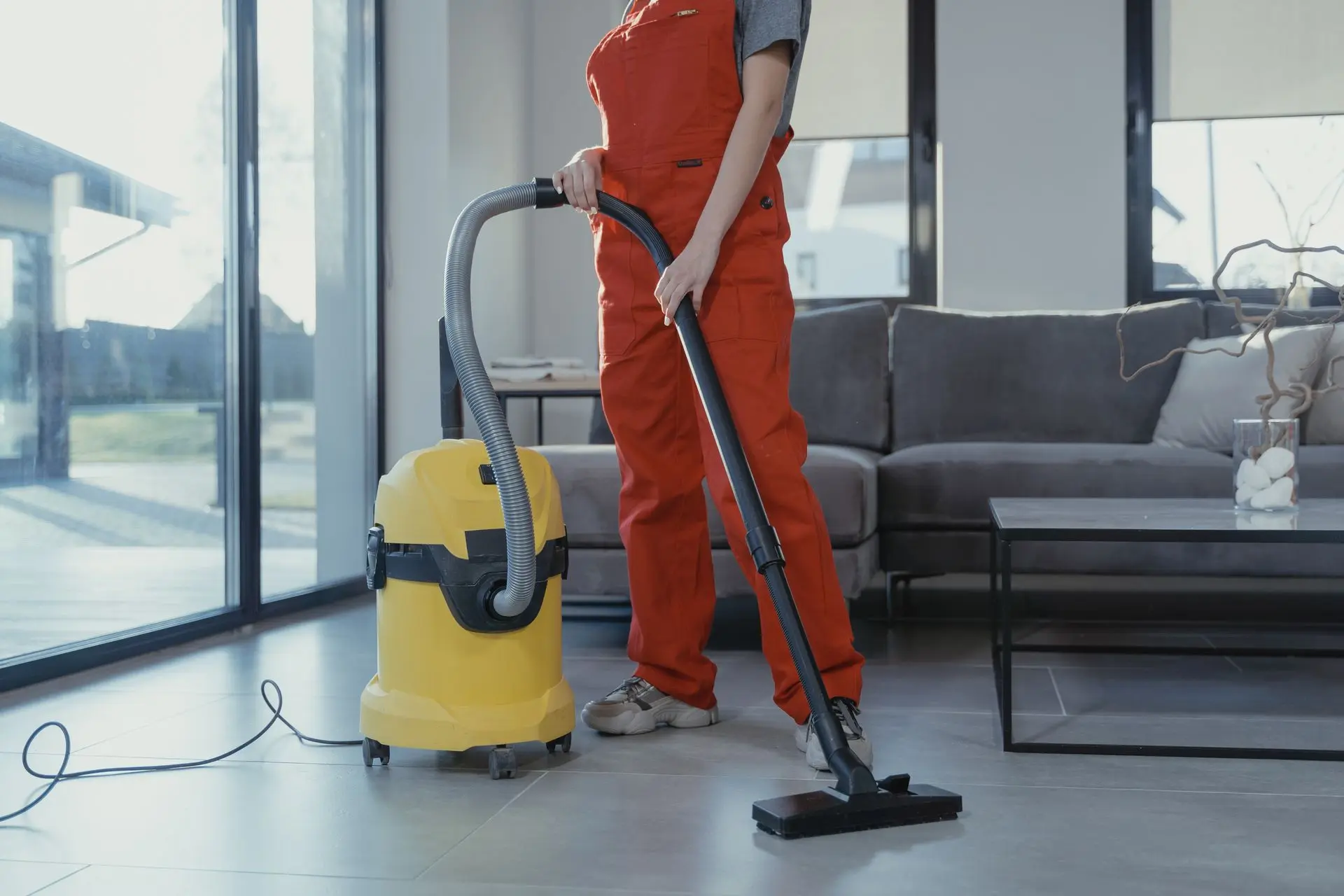
Professional new build cleaning often requires equipment that can manage fine dust, large areas and different surfaces. Suitable vacuum cleaners are essential because ordinary household machines may release very small particles back into the air.
Commercial equipment should have effective filters and attachments for edges, ledges and narrow spaces. Microfibre cloths, mops, brushes and non-scratch pads help remove dirt without damaging new finishes. Cleaners may also use floor machines, carpet extraction equipment, steam cleaners or wet vacuum cleaners where the surfaces and conditions allow.
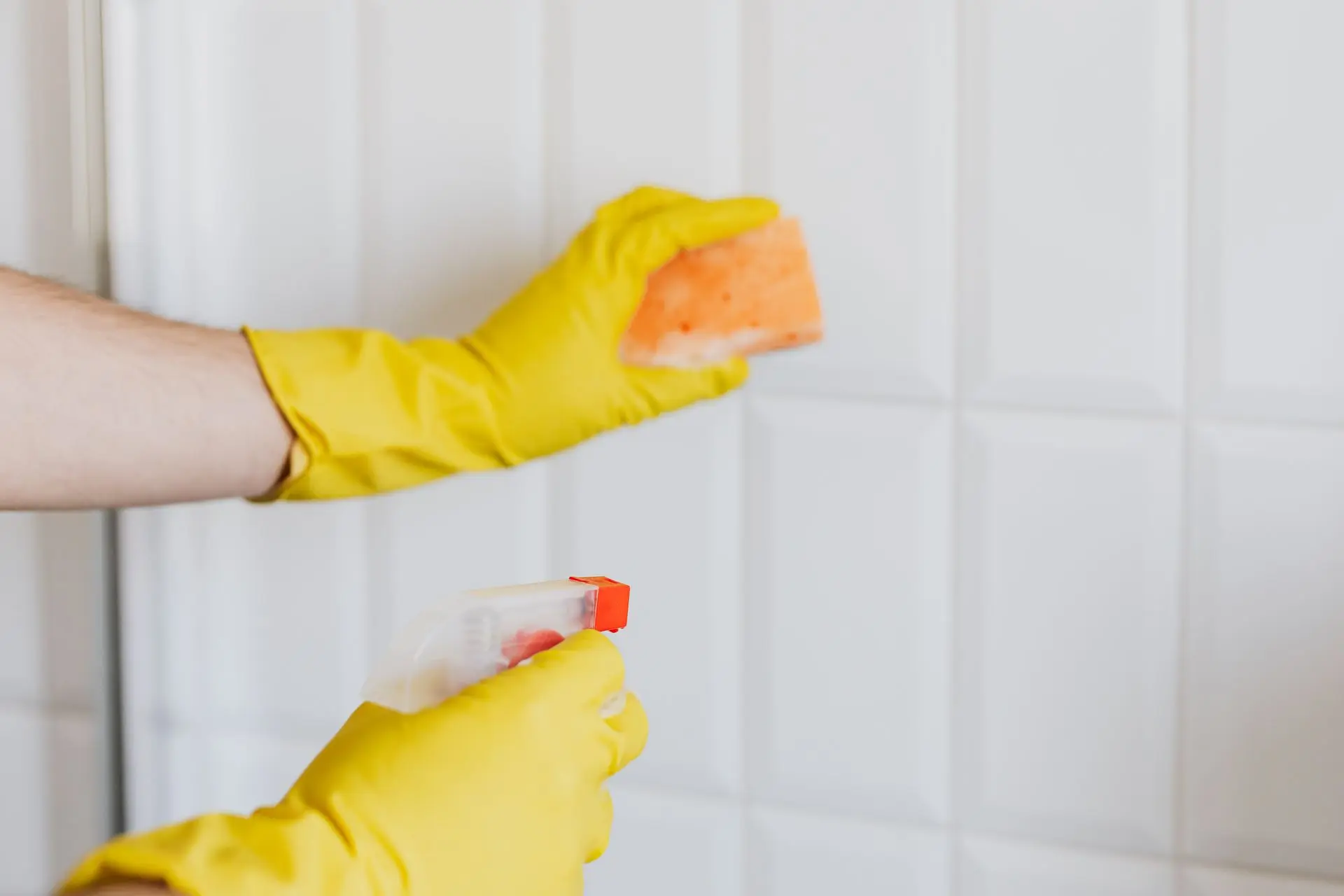
Safe scrapers can remove labels, paint spots and adhesive from suitable materials. However, the wrong blade or poor technique can scratch glass, tiles and fittings. Chemicals should be selected for the material rather than used across every surface.
Access equipment may be required for high windows, ceilings and fittings. It must be stable, suitable for the task and used by trained workers. Unsafe ladders or improvised platforms should never be accepted.
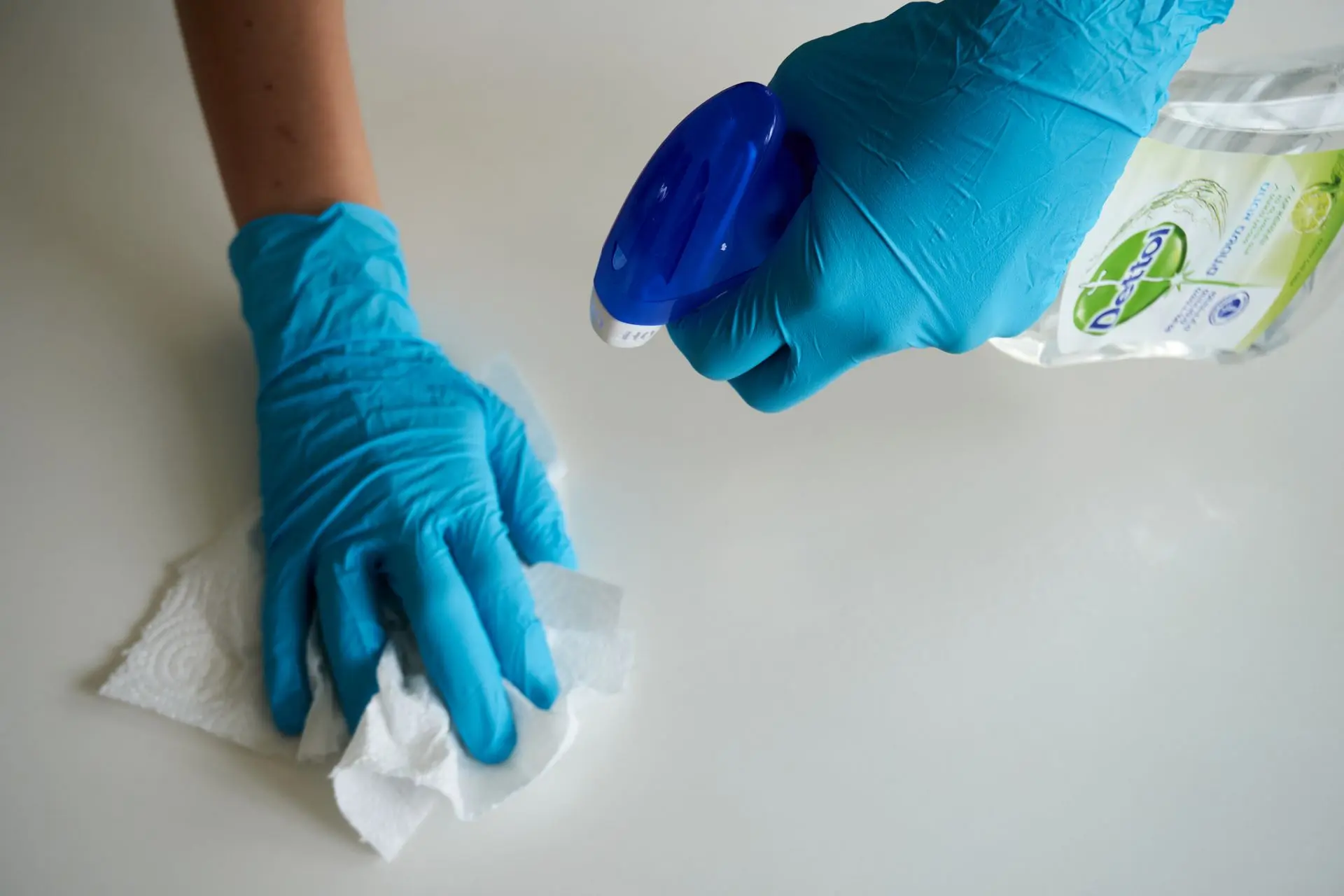
Protective equipment can include gloves, safety footwear, eye protection and suitable masks. Warning signs and barriers help protect cleaned floors and prevent other people from entering work areas. Using professional equipment improves speed and results, but knowledge remains essential. Even powerful tools can cause damage when used incorrectly on fresh or delicate materials.
Health and Safety During New Build Cleaning
Health and safety must remain a priority during new build cleaning because the property may still contain building hazards. Loose cables, sharp waste, wet floors, unfinished edges and unstable materials can place cleaners and other workers at risk. The site should be inspected before cleaning begins. Unsafe areas must be reported, restricted or made safe by the responsible contractor.
Cleaners should not remove hazardous waste or disturb unknown substances without proper training. Suitable protective equipment may include gloves, safety footwear, eye protection and masks. Cleaning chemicals should be labelled, stored correctly and used according to their instructions. Products must never be mixed unless the manufacturer states that it is safe.
Electrical equipment needs suitable checks and should not be used around standing water. Access equipment must be appropriate for high areas. Clear communication between cleaners and remaining tradespeople reduces conflict and unexpected movement through work zones. Safety signs should identify wet floors and restricted spaces. Careful planning protects workers, visitors and the newly completed property throughout the cleaning process.
Common New Build Cleaning Mistakes
One common mistake is beginning the final clean while construction work is still creating dust. This leads to repeated work and makes it difficult to achieve a consistent result. The main building tasks should be complete before detailed cleaning begins. Using unsuitable chemicals is another serious problem. Strong acidic or alkaline products can damage natural stone, metal, glass, grout, paint and new flooring.
Every surface should be identified before treatment, and unfamiliar products should be tested first. Dry sweeping fine dust can spread it through the building. Suitable vacuum equipment should be used before damp cleaning. Working from low areas upwards is also inefficient because dust from ceilings and ledges will fall onto finished surfaces.
Cleaners may miss cupboard interiors, door tops, window tracks, ventilation covers and areas behind fittings. A room-by-room checklist reduces omissions. Rushing adhesive, paint or plaster removal can cause scratches and permanent marks.
Residue should be softened or treated correctly rather than scraped with excessive force. Another mistake is failing to protect cleaned floors while other people remain on site.
Foot traffic can quickly undo hours of work. Poor communication causes further problems when clients expect external windows, heavy waste removal or specialist carpet treatment that was not included. A clear written specification should define the work, access, timescale and final inspection before the service begins.
Benefits of Hiring Professional Cleaners
Professional cleaners have the equipment, products and experience needed to manage fine building dust and stubborn residue. They can select suitable methods for glass, flooring, tiles, metal, paint and fitted furniture, reducing the risk of damage. A trained team can also clean larger areas more efficiently than unprepared workers. This helps builders and property managers meet handover dates without moving staff away from their normal duties.
Professional services often follow a detailed checklist and complete a final inspection. This supports consistent standards across every room and makes missed areas easier to identify. Cleaners also understand safe working practices around chemicals, electrical fittings, access equipment and construction hazards. They can recognise tasks that require specialist support rather than attempting unsafe work.
Hiring professionals does not remove the need for clear planning. The service must still be agreed in writing. However, the right team can reduce delays, protect new finishes and help the completed property create a clean, organised and professional first impression.
How to Choose a New Build Cleaning Service
Choose a new build cleaning service with experience of recently completed properties rather than relying only on general domestic cleaning knowledge. Construction residue, fine dust and fresh materials require different methods from everyday dirt.
Ask what the quotation includes. It should explain which rooms, surfaces, windows and floors will be cleaned, whether waste removal is included and whether the price covers a final return visit. Confirm whether external windows, carpet extraction and high-level cleaning cost extra.
The service should have suitable insurance and clear health and safety procedures. Ask how workers are trained, what equipment they use and how they protect delicate surfaces. References, reviews or examples of similar projects can help you assess previous work.
A site visit may be needed for large or heavily soiled buildings. This allows the service to judge labour, equipment, access and timescale accurately. Very low quotes may not allow enough time for detailed cleaning.
Discuss water, electricity, parking, security and working hours before the start date. The cleaning team should understand whether other contractors will remain on site.
Request a written checklist and named contact for reporting problems. Agree how missed areas will be handled after inspection. The right service should communicate clearly, provide realistic expectations and complete the work safely. Good planning is as important as the cleaning itself when a property must be ready for handover on time.
Preparing for a New Build Clean
Preparation helps cleaners work safely and complete the property without unnecessary delays. Most construction tools, unused materials, heavy waste and personal belongings should be removed before the team arrives. Cleaners need clear access to floors, cupboards, windows and fitted surfaces. Confirm that water, electricity and suitable lighting are available.
Keys, access codes and parking instructions should be provided in advance. Any alarm systems or restricted areas must also be explained. Fresh paint, sealant, grout and flooring should have enough time to dry or set. The cleaning team should be told about delicate finishes and products that need special care.
Remaining contractors should know the cleaning schedule and avoid entering completed rooms without permission. If work must continue, agree which areas will be cleaned first and how they will be protected. Provide the final cleaning specification and identify the person who will approve the work. Good preparation reduces repeated cleaning, protects new surfaces and helps the service remain within the planned timescale and cost.
Final Checks After Cleaning
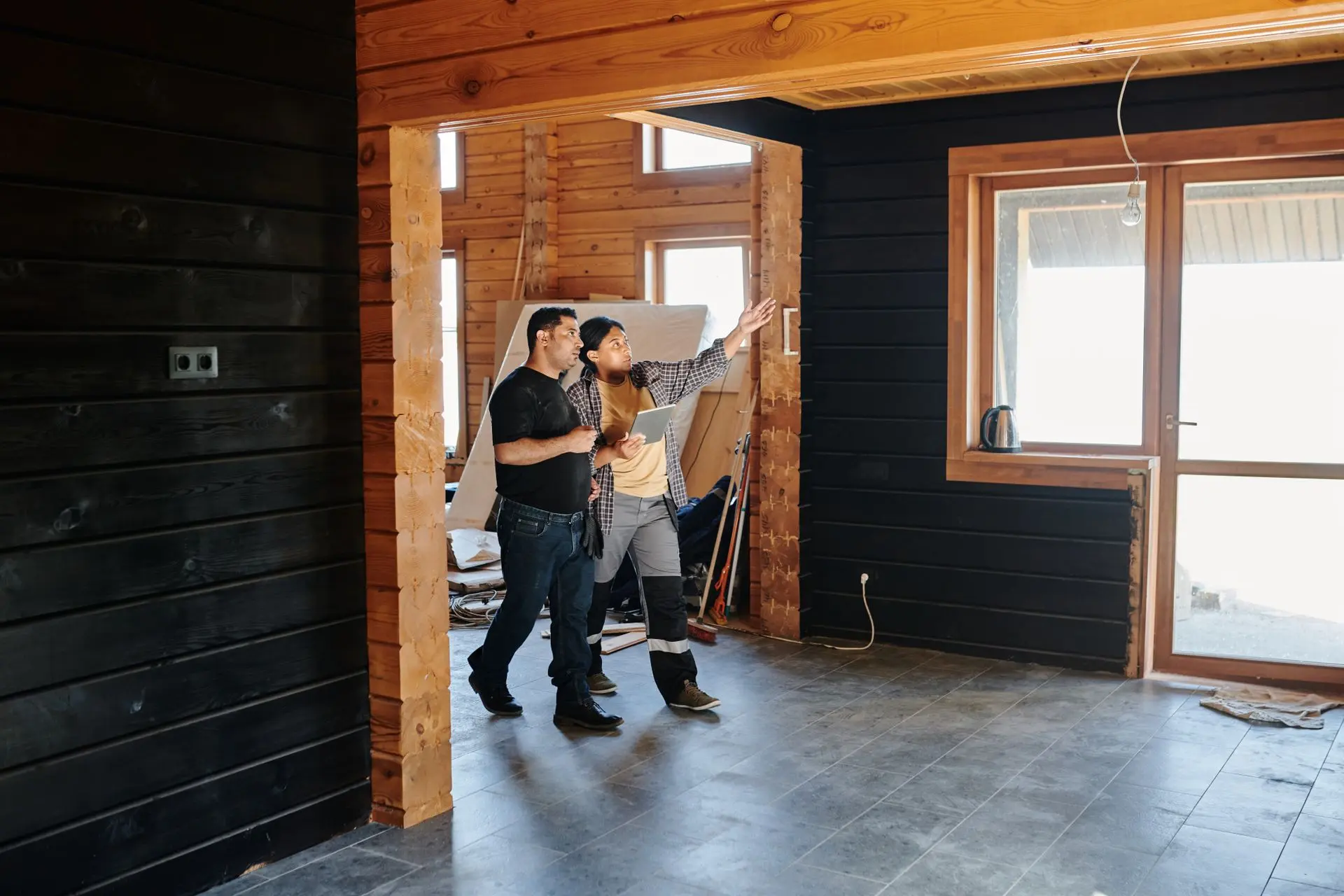
Final checks confirm that the property meets the agreed cleaning standard before it is handed over or occupied. The inspection should follow the written checklist and cover every room, cupboard, fitting and accessible surface.
Begin at the entrance and move through the building in a clear order. Check window glass in natural light, as streaks and adhesive marks may be difficult to see under indoor lighting. Look along floors from different angles to identify dust, footprints or dried cleaning residue.
Open cupboards and drawers to check corners, shelves and hinges. Inspect door tops, skirting boards, switches, sockets, radiators and ventilation covers. Kitchens and bathrooms should be checked for dust, smears, residue and blocked drains.
Any damage uncovered during cleaning should be recorded separately from missed cleaning. Scratches, cracked tiles, loose fittings and poor sealant may need attention from the relevant trade rather than the cleaning team.
Confirm that rubbish, equipment and cleaning chemicals have been removed. Floors should be dry, and windows, doors and controls should remain secure. Create a clear list of anything that needs correction and agree when it will be completed. A final sign-off should only take place once the property is clean, safe and ready for its intended users.
Are you in need of new build cleaning services for your newly constructed property in Caernarfon? Whether it's a recently completed home, commercial space, or renovation project, our new build cleaners in Caernarfon are designed to ensure a seamless transition from construction to comfortable living.