
What Is Professional New Build Cleaning?
Professional new build cleaning is a detailed service completed after construction, renovation or refurbishment work. It removes fine dust, packaging, paint marks, adhesive, plaster residue and other materials left behind by building activity. The service goes beyond normal household cleaning because newly completed properties often contain dust in cupboards, window tracks, vents, fittings and other hidden areas.
Cleaners may work through kitchens, bathrooms, bedrooms, offices, corridors and shared spaces, depending on the property. They also clean floors, glass, frames, fixtures and newly installed surfaces using methods suited to each material. The work is usually arranged before handover, occupation, viewing or final inspection.
Professional cleaners use suitable equipment, safe products and a planned cleaning order to avoid spreading dust or damaging fresh finishes. The result should be a clean, presentable and usable property that reflects the standard of the completed construction work and is ready for its intended occupants.
Why New Builds Need Specialist Cleaning
New builds need specialist cleaning because construction work creates types of dirt that are different from everyday household dust. Fine plaster, cement and wood particles can settle across every room, including inside cupboards, along skirting boards and around electrical fittings.
Paint spots, adhesive, grout and sealant may also remain on glass, flooring, tiles and fitted units. Removing these materials safely requires knowledge of surfaces and cleaning products. A strong chemical or rough tool can scratch glass, stain stone, damage metal or mark fresh paint. Specialist cleaners understand how to test products and select methods that protect newly installed materials.
The cleaning process must also follow the correct order. High surfaces are completed before lower areas, while fine dust is vacuumed before damp cleaning begins. This reduces repeated work and stops particles from spreading through rooms that have already been cleaned.
New properties may still contain site hazards, unfinished details and restricted areas. An experienced team can work around these conditions safely and report damage or incomplete work found during cleaning.
Specialist cleaning therefore supports presentation, safety and final quality checks, helping the property move smoothly from construction to handover without avoidable delays, complaints or damage.
Removing Fine Dust and Building Debris
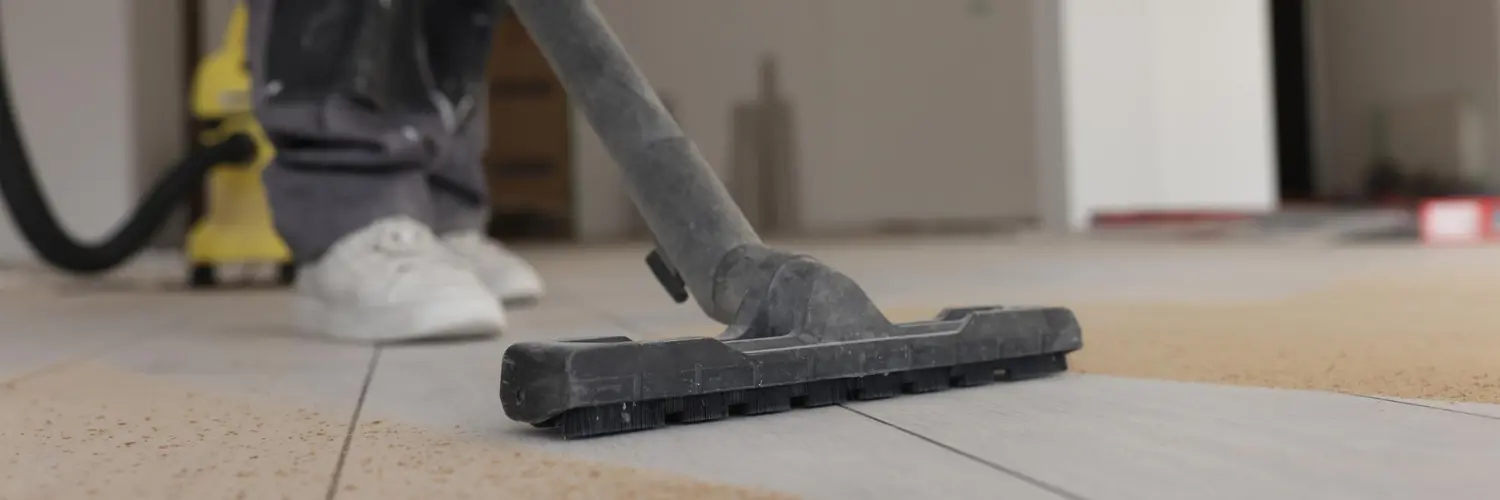
Fine building dust can settle on walls, floors, doors, shelves, radiators and fittings long after construction work has finished. It may also collect inside drawers, ventilation covers and window tracks. Professional cleaners use suitable vacuum equipment to capture these small particles before wiping or washing surfaces.
Dry sweeping is usually avoided because it can send dust back into the air and spread it into clean rooms. Loose packaging, protective coverings and light debris are removed in an organised way, while heavy rubble or hazardous waste may need a separate service. Cleaners work from high areas downwards so falling dust can be collected later.
Paint, plaster, adhesive and sealant marks are treated with suitable products and careful tools. Every material is checked before residue is removed, reducing the risk of scratches or stains. This detailed process leaves the property cleaner, safer and more comfortable while protecting new finishes from damage caused by rushed or unsuitable cleaning methods.
Creating a Safer and Healthier Property
Professional new build cleaning helps create a safer and healthier property by removing dust, loose waste and residue left after construction. Fine particles can irritate the eyes, skin and breathing, especially when they become airborne through movement, heating or ventilation. Thorough vacuuming and surface cleaning reduce the amount of dust that occupants may encounter.
Safety also improves when packaging, sharp offcuts and small pieces of building material are removed from floors and access routes. Cleaners can identify loose fittings, damaged surfaces, wet areas and other visible concerns that should be reported before occupation.
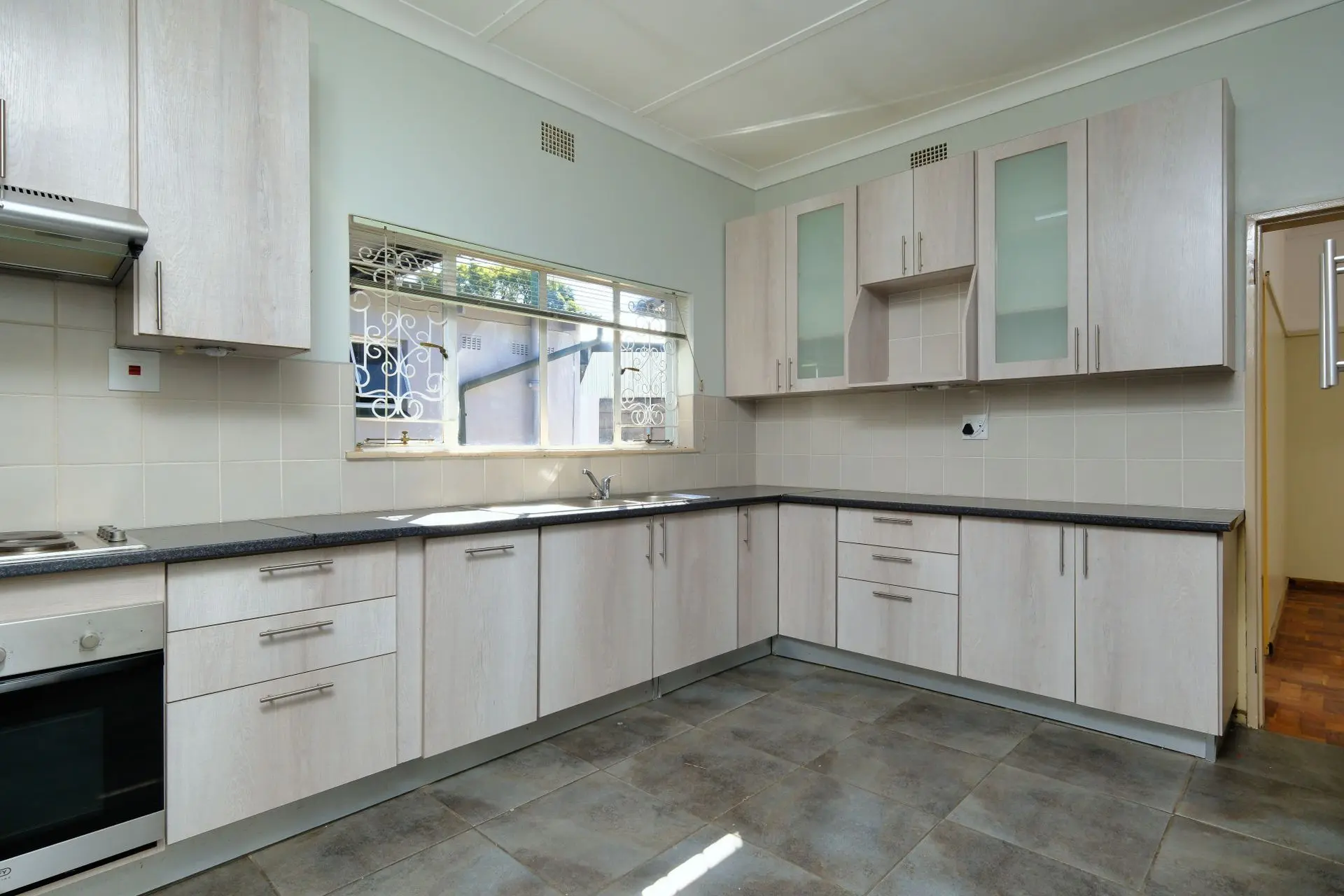
Kitchens and bathrooms receive detailed attention because these spaces need to feel hygienic from the start. Cupboards, worktops, sanitary fittings and touch points are cleaned so they are ready for use. Floors are treated according to their material, helping reduce slippery residue and loose grit.
Professional teams also follow safer working methods when using chemicals, electrical equipment and access tools. Products are selected carefully and stored correctly. Cleaning staff should not disturb unknown or hazardous materials.
A completed clean does not replace formal safety inspections, but it supports them. By removing dirt and making surfaces visible, it helps reveal defects and gives occupants a cleaner, more comfortable environment from the first day.
Improving the Appearance of the Finished Build
A professional clean can greatly improve the appearance of a finished build. Fine dust, fingerprints, adhesive marks and paint spots can make new surfaces look old, dull or unfinished. Even high-quality construction work may create a poor impression when windows are streaked, floors are dusty or fittings are covered in residue.
Professional cleaners work carefully across glass, frames, cupboards, worktops, tiles, doors and other visible surfaces. Polished fittings are left free from smears, while floors are cleaned using methods suited to their material. Attention is also given to corners, edges and hidden areas that may affect the overall finish.
Once dirt is removed, colours appear clearer, glass allows in more light and new fixtures stand out properly. Cleaning also helps reveal scratches, chips or incomplete work that may need correction before handover. A well-presented property shows the full quality of the build and helps buyers, clients, tenants or staff feel confident about the completed space.
Preparing Properties for Handover
Professional new build cleaning is an important part of preparing a property for handover. Builders and developers need the completed space to appear clean, organised and ready for immediate use. A thorough clean removes the visible signs of construction and allows the final finish to be judged properly.
The cleaning team may follow a room-by-room checklist covering floors, windows, cupboards, doors, fittings, kitchens and bathrooms. Shared areas, entrances and stairways can also be included. Clear specifications help ensure that every required space is completed before the handover date.
Cleaning should take place after most building work has ended, but enough time must remain for a final inspection.
Once dust and residue are removed, scratches, poor sealant, damaged fittings or incomplete decoration may become easier to identify. These issues can then be passed to the relevant trade for correction.
A final touch-up clean may be needed after repairs or last-minute visits. This keeps the property presentable without repeating the entire service. Good handover cleaning reduces complaints and helps the client see the finished project at its best. It also supports a smoother transfer of keys, documents and responsibility, creating confidence that the building is complete and ready for occupation.
Saving Time for Builders and Developers
Hiring professional cleaners saves valuable time for builders and developers at the end of a project. Site teams can focus on finishing construction work, checking defects and organising handover instead of spending hours removing dust and residue.
Professional cleaners arrive with suitable equipment, products and a planned method, allowing them to work more efficiently across large or detailed properties. They understand which areas need close attention and how to avoid spreading dust into rooms that have already been completed.
A trained team can also divide tasks between kitchens, bathrooms, windows and floors, reducing the total cleaning time. Clear scheduling helps the clean fit around final trade visits and inspections. When builders attempt cleaning without the right tools or experience, the work may need to be repeated or corrected. Professional support lowers this risk and helps keep the wider project on schedule. It can also reduce pressure on staff during the busiest stage before completion and handover.
Cleaning Hard-to-Reach Areas
Hard-to-reach areas often collect large amounts of dust during construction. These spaces can include the tops of doors, cupboards, frames, high ledges, ventilation covers, window tracks and corners behind fitted units. If they are ignored, dust may fall or spread after occupants enter the property.
Professional cleaners use suitable attachments, brushes and access equipment to reach these areas safely. They work from higher surfaces downwards so loose particles do not settle on completed floors and furniture. Narrow vacuum tools can remove dust from tracks and edges, while long-handled equipment can help with high surfaces.

Access equipment must be stable and suitable for the task. Cleaners should never use unsafe ladders, boxes or improvised platforms. Areas that cannot be reached safely may require specialist equipment or a separate service.
Hidden spaces are also checked inside cupboards, drawers and fitted storage. Attention may be given to pipe covers, radiator backs and the edges of sanitary fittings where building dust can remain.
Cleaning these areas improves the overall result and reduces the chance of dust returning shortly after handover. It also helps reveal damage, loose parts or unfinished work that may otherwise remain unnoticed until the property is occupied.
Protecting New Fixtures and Surfaces
Professional cleaners protect new fixtures and surfaces by choosing methods suited to each material. New builds may contain glass, stainless steel, natural stone, painted timber, plastic, tiles, laminate and delicate coated finishes. A product that works well on one surface may damage another. Experienced cleaners check care guidance, test unfamiliar products and avoid harsh chemicals or rough pads.
Protective films and labels are removed carefully so adhesive does not remain and the finish is not scratched. Electrical fittings are wiped with minimal moisture, while polished items are cleaned without leaving smears. Floors are vacuumed before washing to prevent grit from scratching them. Cleaners also avoid disturbing fresh paint, sealant or grout that has not fully dried.
When damage or incomplete work is found, it is reported rather than hidden or repaired incorrectly. Careful cleaning preserves the appearance and working life of newly installed items, helping builders, developers and owners avoid unnecessary replacement costs before the property is even occupied.
Reducing the Risk of Cleaning Damage
Professional new build cleaning reduces the risk of damage caused by unsuitable tools, chemicals and rushed working methods. Construction residue can be difficult to remove, but scraping too firmly may scratch glass, tiles, metal or flooring. Strong products can also stain stone, weaken seals or affect fresh paint. Experienced cleaners identify the surface before choosing a treatment. They may test a product in a hidden area and use the least aggressive method that can remove the mark. Fine dust is vacuumed before wiping so gritty particles do not drag across delicate finishes.

The order of work also matters. High areas are cleaned before floors, and wet tasks are planned carefully to prevent water from reaching electrical fittings or moisture-sensitive materials. Cleaners use separate cloths and tools where needed to avoid transferring dirt, chemicals or colour between surfaces.
Professional teams understand when a mark should be left for a specialist rather than forced. They can also recognise damage that cleaning will not correct, such as chips, scratches or poor installation.
This careful approach protects the property and reduces disputes over who caused a defect. It helps ensure that cleaning improves the build instead of creating new problems shortly before handover, inspection or occupation.
Improving Indoor Air Quality
Fine construction dust can remain in the air and settle repeatedly after building work ends. Professional cleaning helps improve indoor air quality by removing particles from surfaces, floors, ledges and hidden spaces before the property is occupied. Suitable vacuum equipment captures small dust particles more effectively than dry sweeping, which can spread them through the rooms.
Cleaners may also remove dust from ventilation covers, radiators and areas around heating systems where movement can send particles back into the air. Damp wiping is used after vacuuming where suitable, helping collect remaining residue without creating clouds of dust. The property should also be ventilated safely during and after cleaning when conditions allow.
A thorough clean cannot correct ventilation faults or remove hazardous materials that need specialist treatment. However, it can reduce ordinary construction dust and make the indoor environment feel fresher and more comfortable. This is especially important before children, older people, staff or residents begin using the completed space.
Preparing Homes for New Occupants
A professionally cleaned new home is easier and more pleasant for occupants to move into. Dust and construction residue can make an empty property feel unfinished, even when the building work is complete. A detailed clean prepares kitchens, bathrooms, bedrooms, storage areas and living spaces for immediate use. Cupboards and drawers are cleaned inside and outside so belongings can be stored without picking up dust. Worktops, sinks, taps and sanitary fittings are wiped and polished. Floors are vacuumed or washed according to their material, while carpets may receive deeper cleaning when required.
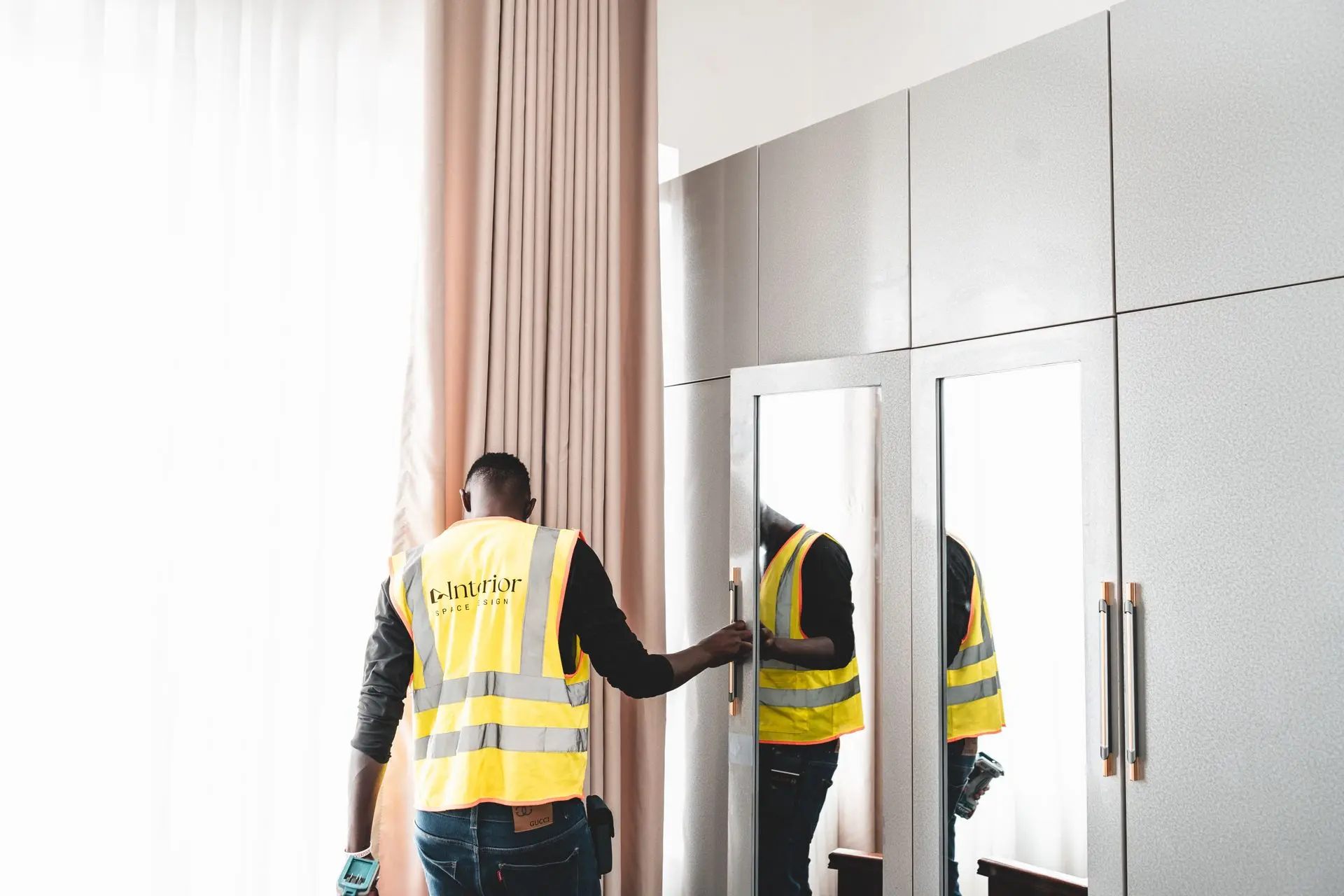
Windows, frames and sills are cleaned to improve light and remove labels or building marks. Switches, handles, radiators and other touch points also receive attention. This means new occupants do not need to complete a major clean while unpacking and arranging furniture.
Professional cleaning can also identify defects before the move. Scratches, damaged fittings or unfinished areas can be reported while the property is still under the control of the builder or developer.
Starting with a clean property creates a better first experience and reduces stress during the move. It allows occupants to focus on settling in rather than dealing with dust, waste and residue from the construction process.
Supporting Property Inspections and Viewings
Professional cleaning supports property inspections and viewings by making every surface easier to assess. Dust, smears and building residue can hide scratches, poor paintwork, damaged tiles or incomplete sealant. Once these materials are removed, builders, surveyors, clients and buyers can see the finished work more clearly. Clean windows improve natural light, while tidy floors and surfaces help rooms appear larger and more complete.
Cupboards, fittings and sanitary areas can be opened and checked without loose dust affecting the inspection. A well-cleaned property also photographs better for marketing materials and online listings.
Viewers are more likely to focus on the layout, finish and features instead of dirt left from construction. If defects are found, they can be recorded and passed to the relevant trade before handover. Cleaning does not replace a technical inspection, but it creates suitable conditions for one. It helps present the build fairly and supports clear decisions about whether the property is ready for occupation, sale, rental or final approval.
Professional Equipment and Cleaning Products
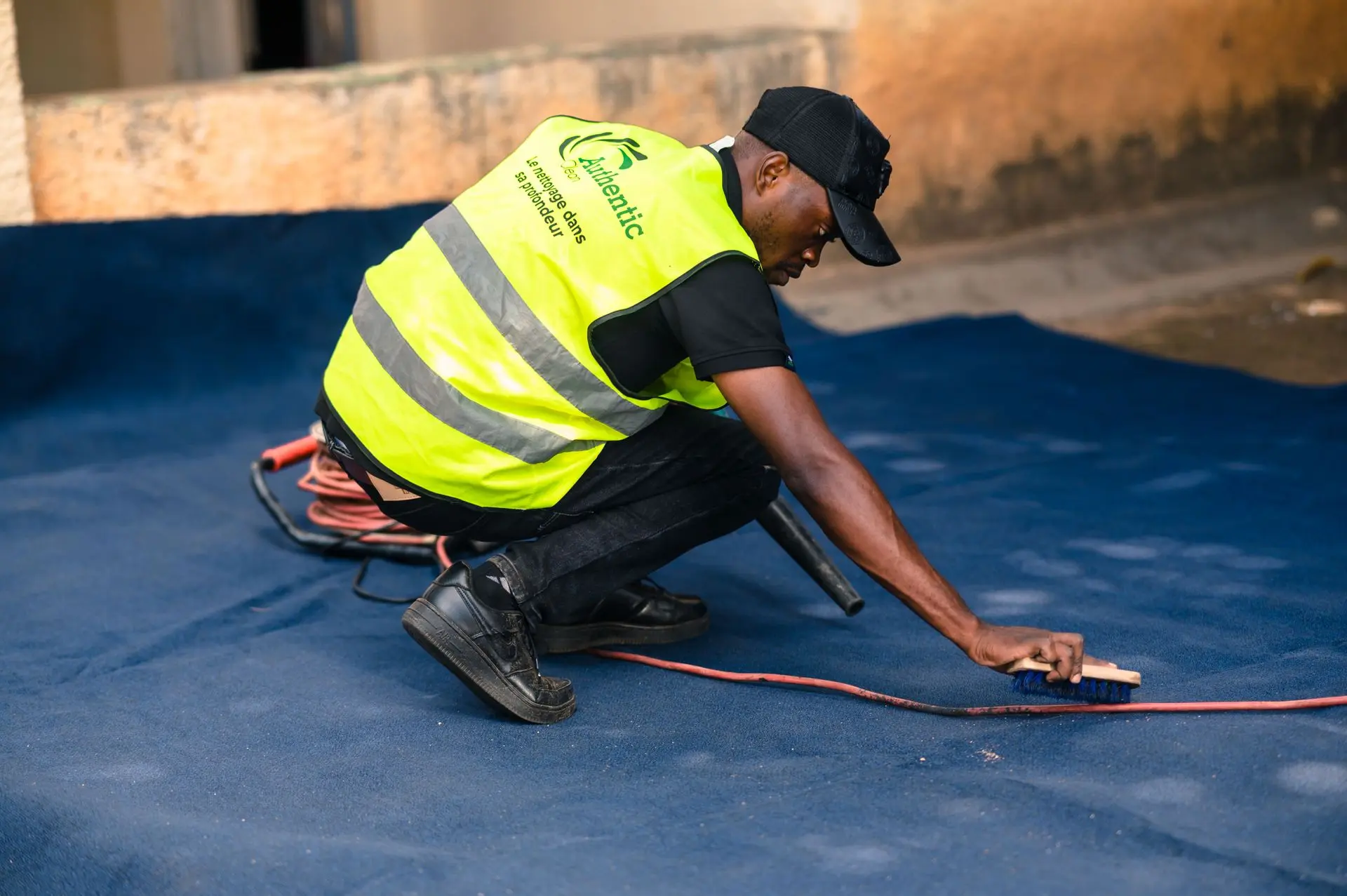
Professional cleaners use equipment designed to handle fine dust, large spaces and varied building surfaces. Commercial vacuum cleaners with suitable filters can capture small particles that ordinary household machines may release back into the air. Different attachments help reach corners, ledges, tracks and narrow gaps. Microfibre cloths, mops, brushes and non-scratch pads allow cleaners to work across glass, tiles, cupboards and fittings. Floor machines or carpet extraction equipment may be used where the material and condition require deeper treatment. Safe scrapers can remove labels and residue from suitable surfaces when used correctly.
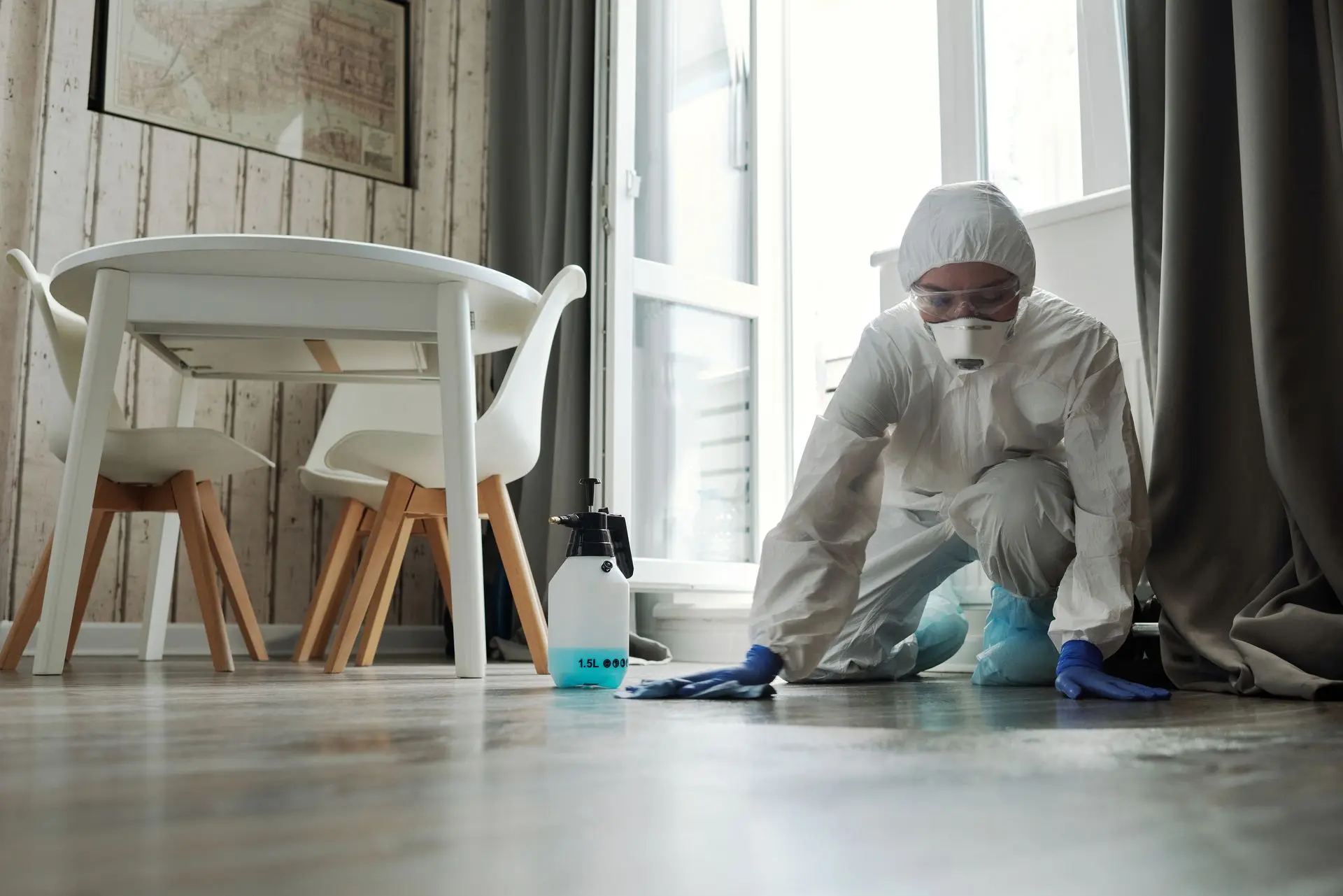
Cleaning products are selected for the material rather than applied everywhere. Glass, natural stone, stainless steel, timber and coated surfaces may each need a different solution. Strong chemicals are avoided unless they are suitable and necessary.
Professional teams also use warning signs, protective equipment and safe access tools. This supports both worker safety and protection of the property. Equipment must be maintained and used by people who understand its limits.
The right tools improve speed and consistency, but knowledge remains essential. Powerful equipment or chemicals can still cause damage when used incorrectly. Professional results depend on combining suitable products, careful methods and trained staff.
New Build Cleaning for Homes and Businesses
Professional new build cleaning can be arranged for houses, flats, offices, shops, schools, warehouses and other completed properties. Homes often need detailed attention in kitchens, bathrooms, bedrooms, storage areas and windows before residents move in. Business premises may involve larger floor areas, shared facilities, entrances, workspaces and public areas.
The cleaning plan should reflect how the property will be used and the date it must open or be occupied. Commercial projects may require work around security procedures, deliveries or remaining contractors. Domestic projects may focus more on move-in readiness and protecting delicate finishes. The number of cleaners, equipment and visits depends on the size and condition of the property.
A site review helps establish the required labour, access and cleaning methods. Whether the project is residential or commercial, professional cleaning helps remove construction residue, improve presentation and provide a safer, more welcoming space for its intended users from the first day.
Meeting Tight Project Deadlines
Professional cleaners can help builders and developers meet tight project deadlines by providing a trained team and clear cleaning schedule. The final stage of a build often includes inspections, repairs, deliveries and handover tasks happening close together. Cleaning must fit into this programme without delaying other work. A professional service can estimate the number of cleaners, hours and equipment needed after reviewing the property. Larger teams may work across separate floors or rooms at the same time, helping the project move forward more quickly. Clear task lists also prevent important areas from being missed.
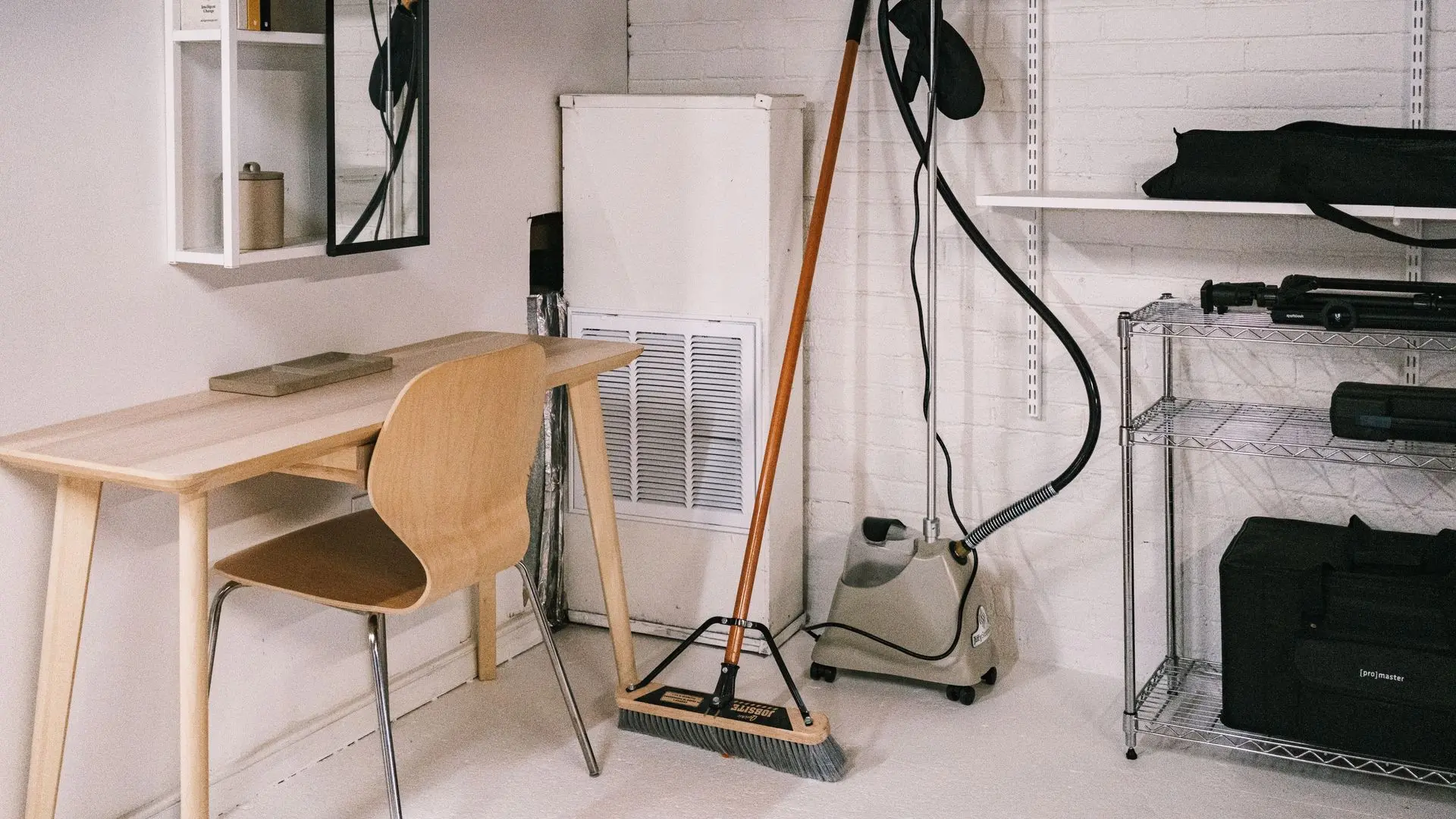
Timing remains important. If cleaning starts while dusty work continues, rooms may need to be completed again. The cleaning company should coordinate with the site manager and agree which areas are ready. Completed spaces can then be protected from further traffic.
Some projects require a final touch-up visit shortly before handover. Planning this in advance reduces pressure and allows small marks or fresh dust to be removed. Professional support does not guarantee that every building delay will disappear.
However, it gives the cleaning stage a clear structure and reduces the risk of rushed, incomplete work. This helps the property reach inspection, opening or handover in the best possible condition.
Reducing Work for Property Owners
Professional new build cleaning reduces the amount of work left for property owners after construction. Without specialist support, owners may spend days removing dust, labels, paint marks and residue before they can use the space. They may also need to buy equipment and products that are only required once.
A professional team completes these tasks using a planned method, leaving cupboards, floors, windows and fittings ready for normal use. This is especially helpful for owners who are moving, arranging furniture or managing other parts of the property handover. Cleaners can also report defects or unfinished areas, allowing owners to raise concerns before accepting the completed build.
The service reduces the risk of owners damaging new surfaces through unfamiliar cleaning methods. It also makes the property easier to organise because rooms can be used sooner. Paying for professional cleaning can therefore save time, physical effort and the frustration of dealing with stubborn construction residue after an already demanding building project.
Creating a Positive First Impression
A clean new build creates a strong first impression for buyers, tenants, clients, staff and visitors. People often notice windows, floors, kitchens and bathrooms as soon as they enter. Dust, streaks, labels and building marks can make the property appear unfinished or poorly managed, even when the construction quality is good. Professional cleaning presents the space in its best condition. Clear glass increases natural light, polished fittings look new and clean floors make rooms feel more welcoming. Removing residue also allows the colours, materials and details of the design to stand out.

First impressions are particularly important during sales viewings, rental inspections and business openings. A property that feels clean and ready for use can build confidence in the builder, developer or owner.
It may also reduce questions about whether other parts of the project have been completed carefully. Cleanliness cannot hide genuine defects, and it should not be used to do so. Instead, it supports a fair presentation of the finished work and makes problems easier to identify.
A professional final clean shows attention to detail and respect for the people who will use the building. It helps the completed property feel organised, cared for and ready from the moment the door opens.
Choosing a Professional New Build Cleaning Service
Choose a new build cleaning service with experience of construction dust, fresh finishes and recently completed properties. Ask for a clear quotation that explains which rooms, windows, floors and surfaces are included. The price should also state whether waste removal, carpet cleaning, external glass or high-level work costs extra.
Check that the service has suitable insurance and follows safe working practices. Ask what equipment and products will be used, particularly where the property contains natural stone, timber, coated glass or other delicate materials. Reviews, references and examples of similar projects can help show whether the team delivers reliable results. A site visit may be needed for larger or heavily soiled properties.
Discuss access, parking, water, electricity, working hours and the handover deadline before the service begins. A written checklist and named contact make it easier to manage questions or missed areas. The right provider should offer realistic timescales, clear communication and a service matched to the condition and needs of the completed property.
Is Professional New Build Cleaning Worth It?
Professional new build cleaning is often worth the cost because it saves time, protects new surfaces and improves the final presentation of the property. Construction dust and residue can take much longer to remove than ordinary dirt, especially when they have settled inside cupboards, tracks, fittings and ventilation areas.
A trained team has the equipment and experience needed to complete the work efficiently. This reduces the chance of scratches, stains or damaged finishes caused by unsuitable tools and products. It also allows builders, developers and owners to focus on inspections, moving arrangements and other completion tasks.
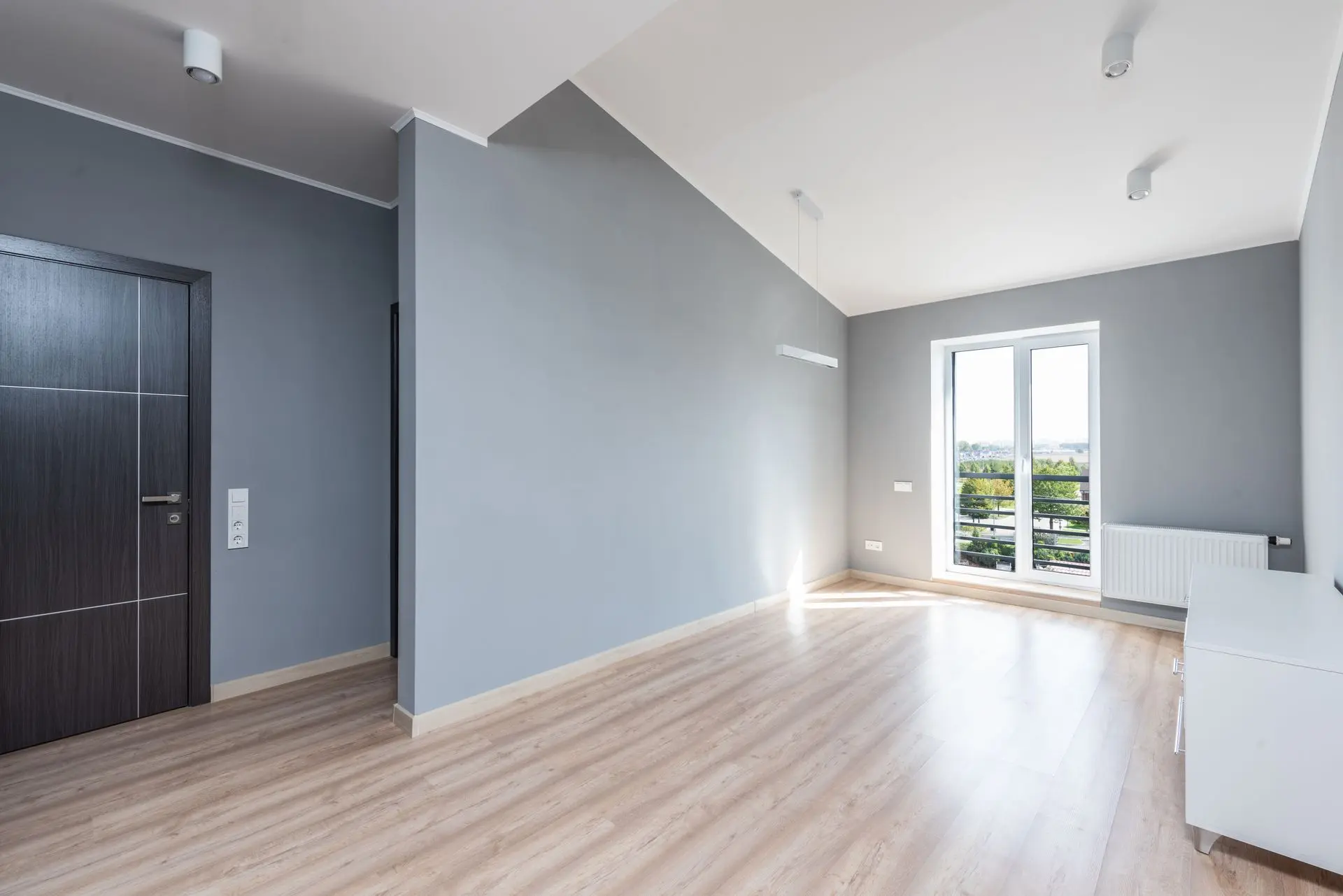
The value of the service depends on the property’s size, condition and required standard. A small space with limited dust may need less support, while a large or detailed build can benefit greatly from professional attention.
A clear quotation should explain exactly what is included. Comparing services only by price may lead to missed tasks or insufficient cleaning time. Quality, experience and surface protection are equally important.
Professional cleaning cannot correct building defects, but it can reveal them and prepare the property for handover, viewing or occupation. For many projects, the time saved, reduced risk and stronger first impression make the service a practical final investment.
Are you in need of new build cleaning services for your newly constructed property in Caernarfon? Whether it's a recently completed home, commercial space, or renovation project, our new build cleaners in Caernarfon are designed to ensure a seamless transition from construction to comfortable living.